


Liposuction
1. Purpose And Suitability For Liposuction
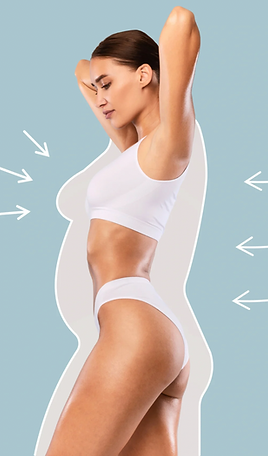
Liposuction, commonly referred to as "lipo," is a cosmetic surgical procedure designed to break up and remove excess fat from the body. Liposuction is not a weight loss treatment and should not be seen as a substitute for a healthy diet and exercise. It is most suitable for individuals who are generally within their ideal weight range but want to remove localized pockets of fat that are resistant to traditional weight loss methods. The primary goal of liposuction is to improve body shape and contour by eliminating undesirable fat deposits in specific areas.
Doctors often use liposuction in conjunction with other cosmetic procedures such as Body Lifting, Arm Lifting and Thigh Lifting to achieve the desired body shape and contour. It enhances the results that other cosmetic procedures may not achieve, making it a valuable tool in comprehensive body sculpting plans.
2. How Is Liposuction Performed?
During Liposuction, the surgeon makes small incisions in the skin and inserts a tube-shaped device called a cannula into the treatment area. A specialized tumescent solution is then injected into the treatment area to provide local anesthesia, minimize bleeding, and firm up the fat tissues. The cannula, attached to a suction device, is then used to break up and remove fat deposits.
3. Is Liposuction Performed Under General or Local Anesthesia?
Liposuction procedures can vary in complexity, and the type of anesthesia used will depend on the extent of the surgery. Local anesthesia is suitable for minor liposuction procedures, while general anesthesia is used for procedures involving the removal of larger amounts of fat.
4. Which Areas Can Liposuction Be Done?
Liposuction can be used to remove fat from various parts of the body, including Abdomen, Waist, Thighs, Calves, Hips, Buttocks, Arms, Chin, Back, and Chest.
5. How Long is the Recovery After Liposuction?
-
During the first 3–5 days, swelling, bruising, discomfort, and fluid drainage from the incision sites are common and expected.
-
Most patients can return to light daily activities within 5–7 days after the procedure. However, swelling and mild discomfort may persist for several weeks. Patients are typically advised to wear their compression garment (corset, faja) and avoid strenuous exercise, heavy lifting, and intense physical activity for at least 3–4 weeks.
-
While improvements in body contour can be appreciated relatively early, residual swelling may take several months to fully resolve. Final results are typically seen within 3–6 months, depending on the extent of the procedure and the individual's healing process.
Clients' Gallery


